
 TopGK
 Shop All




 By Source Type



Buying Guide
Medicom Toy Story Jessie 1/1 Figure: Ultimate Ver. Explained
Oct
Toy Story merchandise usually treats the characters as toys.
That makes sense. The films are built on the premise, and most releases reproduce the plastic look the animation uses.
The 1/1 scale releases take a different route. They render the characters as physical objects rather than as animated designs.
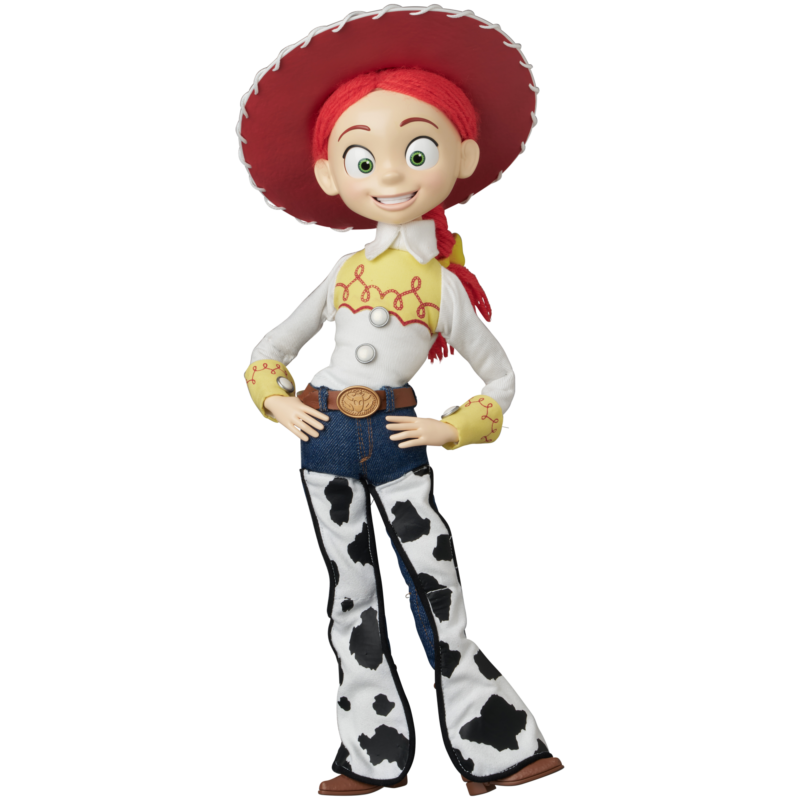
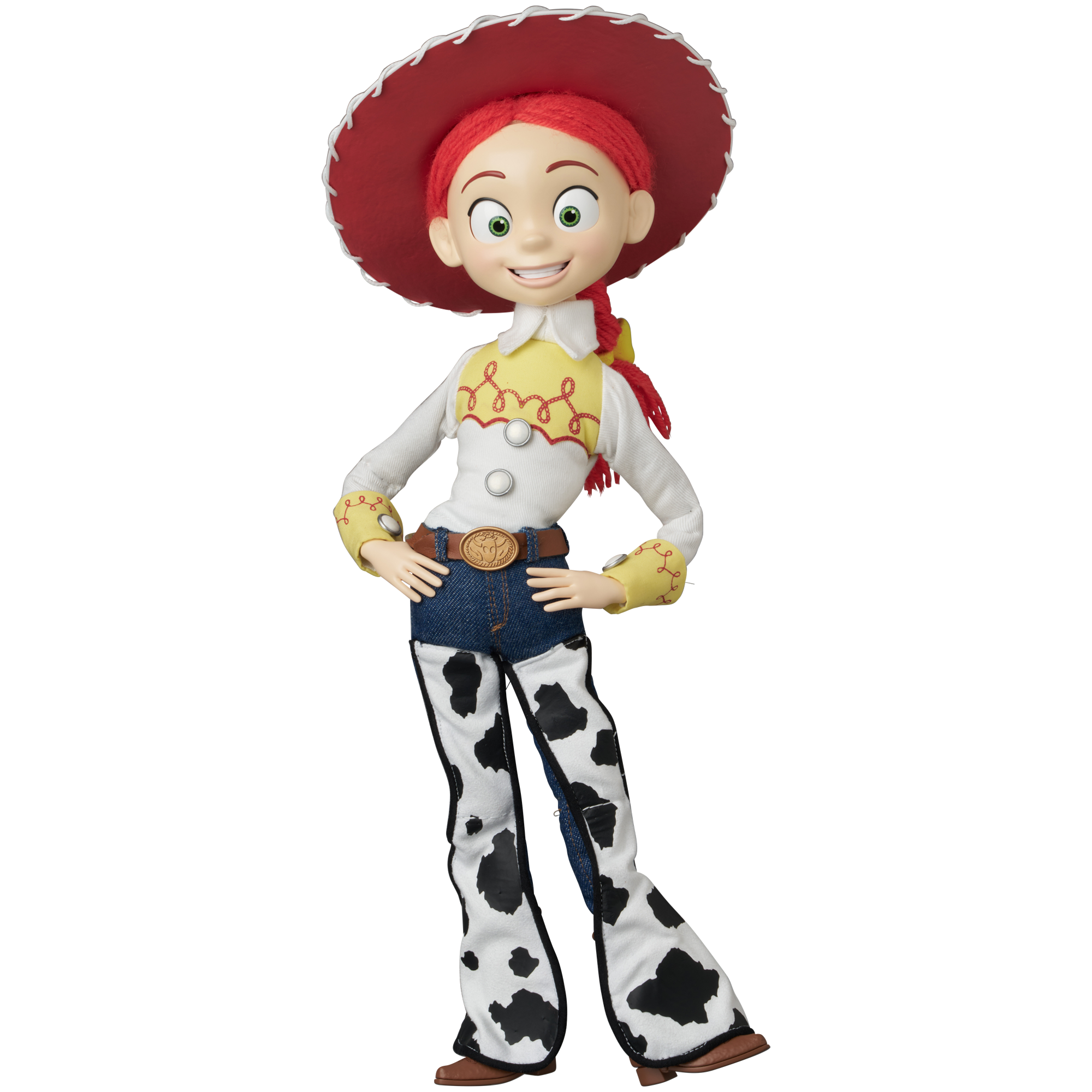
The Toy Story Jessie Figure arrives in that group, at 1/1 scale with a listed height in the 36–50 cm range.
Medicom Toy produces it under the Ultimate Ver. label.
What One to One Means Here
Scale labels work differently for toy characters.
A 1/1 adult character would stand two metres tall. Jessie is a doll, so 1/1 means the figure matches the size she would be inside the film.
That lands the piece around 40 cm, which is large for a shelf figure and small for a statue.
The result is a decoration object rather than a display piece. It sits naturally on a desk, a shelf or a sideboard without needing a dedicated area.
The Ultimate Ver. Label
Medicom uses version labels to distinguish production runs and accessory sets.
An Ultimate Ver. release usually carries the fullest configuration the studio offers for that character, which means more accessories or a more detailed finish than the standard version.
Confirm what the configuration includes before ordering, since the same character can appear in several versions at different prices.
It also affects resale. Complete sets with all accessories hold their value better than figures separated from their parts.
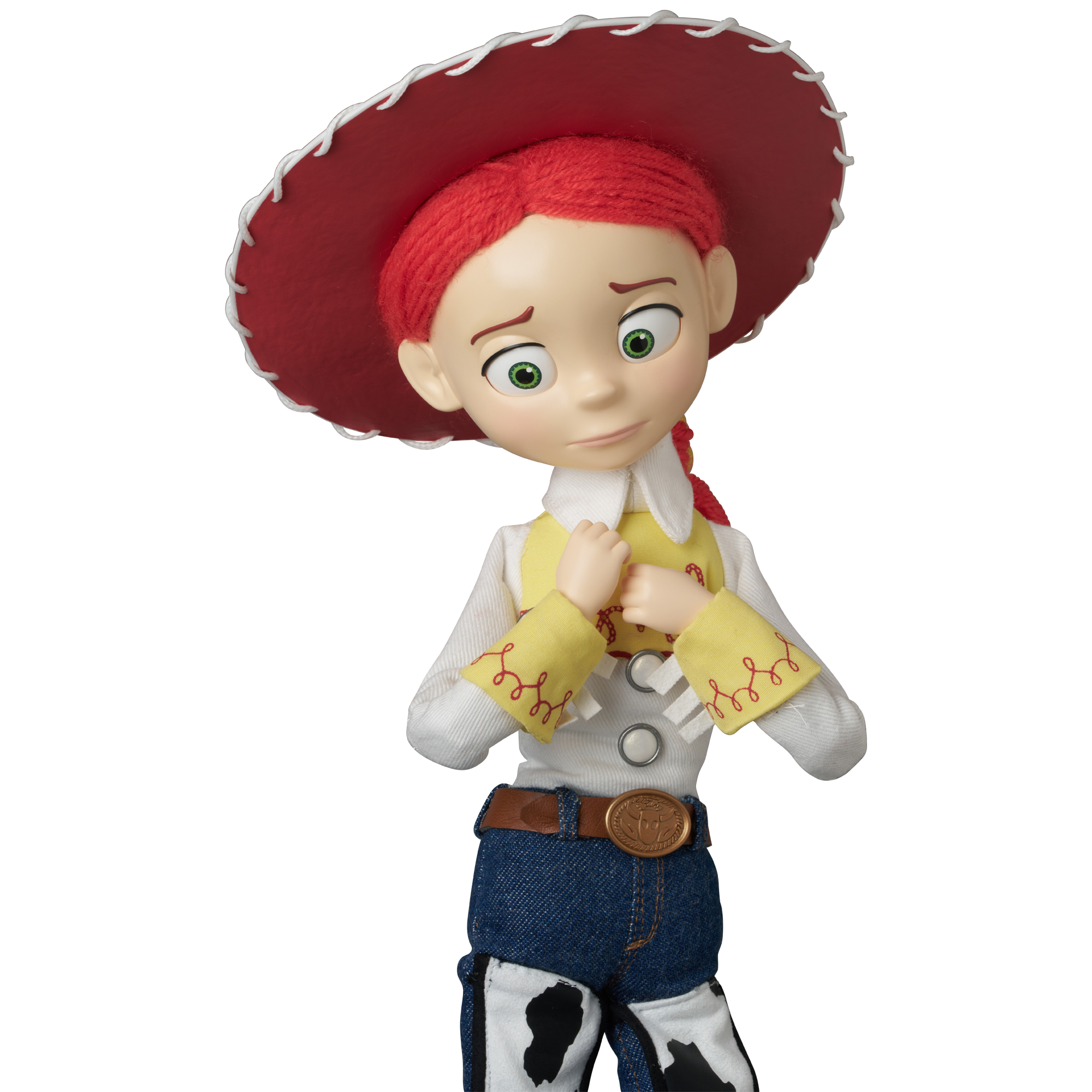
Thirty-Six to Fifty Centimetres
At this height the figure reads as an object rather than as a collectible.
That suits the character. Jessie is a toy in the films, and a piece at this size carries the same idea into a room.
It also means placement matters more than it would for a small figure. A piece this size works on a desk or a sideboard rather than inside a crowded cabinet.
Check the weight as well. Larger figures often carry a heavier base or stand, and that affects where the piece can sit.
Reading the Sculpt
Three details decide whether a toy character works at large scale.
The face comes first. Stylised expressions have to stay clean at any size, and a large head makes any distortion obvious.
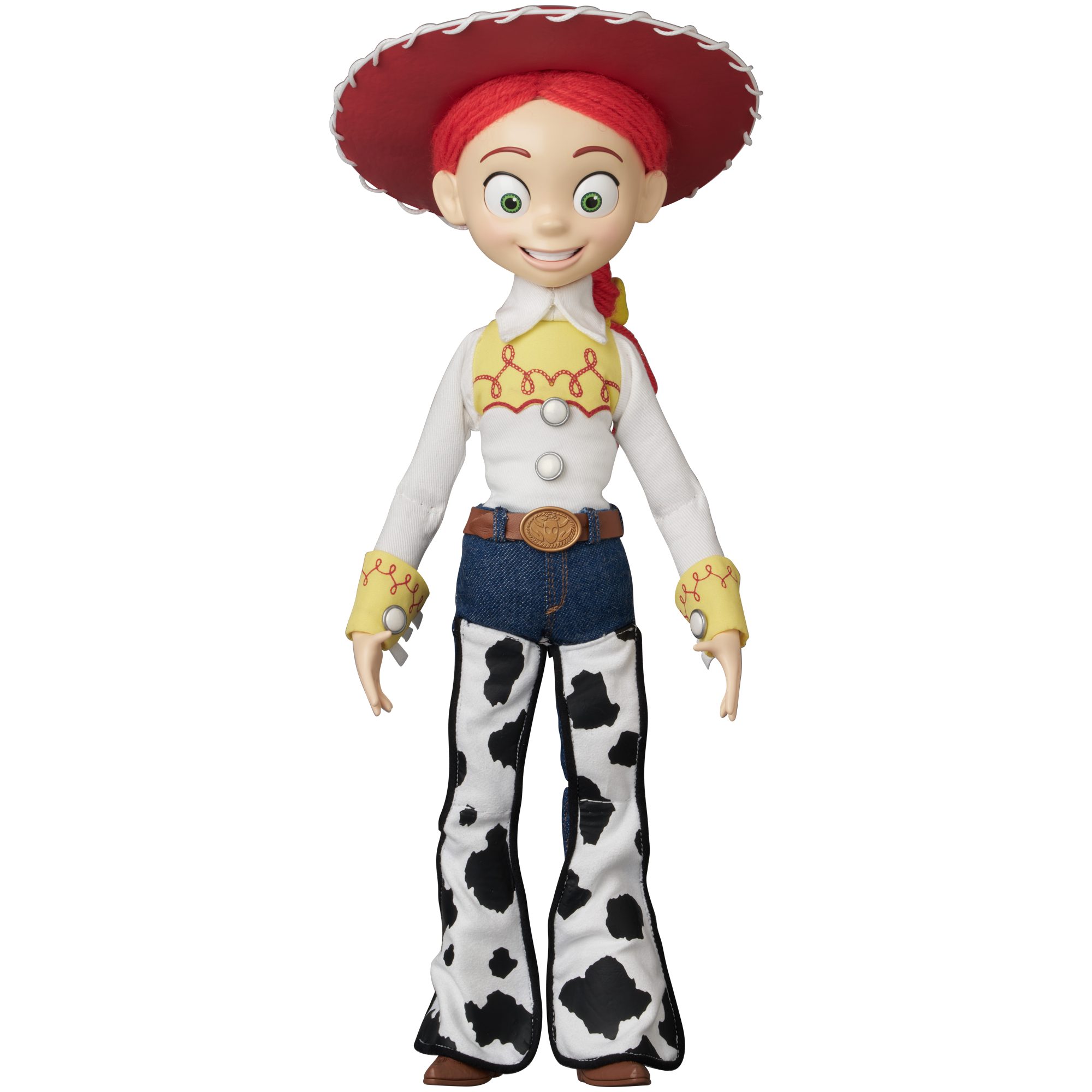
The costume comes second. Fabric texture, stitching and accessories all need to read as separate elements rather than as painted detail.
The pose comes third, and it decides whether the piece reads as a character or as a mannequin.
Compare the gallery against all three before committing.
Price, Deposit and Payment
Pre-orders run from a $109 deposit against a $469 full payment.
That places the release in the middle of the licensed figure market, which is where large-format toy character releases usually land.
The deposit option reserves a unit now and settles the balance later.
Freight on a figure this size is worth checking, since the box carries more volume than a standard figure.
Display and Lighting
The palette here runs warm, with denim, yellow and red against a light base.
Hard light flattens that combination and washes out the facial detail.
A diffused source from above and slightly in front keeps the finish even and lets the costume read.
Place the figure at or slightly below eye level, and keep it out of direct sun so the bright palette holds.
Care and Storage
Dust with a soft brush rather than a cloth, working from the top downward.
Where the surface needs more, use lukewarm water with a drop of mild soap and dry it completely.
Keep the original packaging. On a configuration with accessories, the box is how everything stays together.
Where It Fits in a Collection
Film and animation collections usually fill with figures at consistent scales, and a 1/1 toy character breaks that pattern deliberately.
That makes it a conversation piece rather than a lineup entry. It reads clearly to visitors who do not collect, which is not true of most statues.
Collectors who display across categories will find it sits comfortably between a figure shelf and a general decor arrangement.
Collecting Large Toy Characters
Large-format toy characters occupy an unusual position in the hobby.
They are not statues, because the designs come from animation rather than from sculpture, and they are not figures in the usual sense, because the size puts them outside a display case.
That in-between status is the appeal. A piece at this scale reads clearly to anyone who walks into the room, including visitors who do not collect.
It also makes the release easier to place than a premium statue. A 40–50 cm toy character works on a desk, a shelf or a sideboard without needing a dedicated display area or climate control.
Collectors who share a home with non-collectors often find that useful. The piece reads as decoration rather than as merchandise, which changes how it is received.
The trade-off is shelf coherence. A toy character at this scale will not match a row of 1/7 anime figures, so it usually sits apart from them.
Who This Figure Is For
Toy Story collectors will find this adds a large-format piece to a collection that usually stays at figure scale.
It also suits anyone who displays animation merchandise outside a dedicated collection room.
And for collectors who already own another 1/1 release from the same studio, the scale keeps the arrangement consistent.
The Toy Story Jessie Figure suits a shelf that mixes collectibles with decor.
Bring Jessie Home
If Jessie belongs in your collection, you can review the full details and reserve one on the product page.
See the Medicom Toy Story Jessie 1/1 Figure on TopGK
Would you display this Jessie figure on a shelf with other collectibles, or somewhere guests will notice it?