
 TopGK
 Shop All





 By Source Type




Buying Guide
Eternal Calamity: Star Gazer — A Mecha Statue With a Backstory
Oct
Names matter in original design work.
A licensed mecha arrives with a history attached, and the model number alone tells collectors which series it belongs to.
An original piece has to build that context from scratch, usually through the name, the palette and the pose.
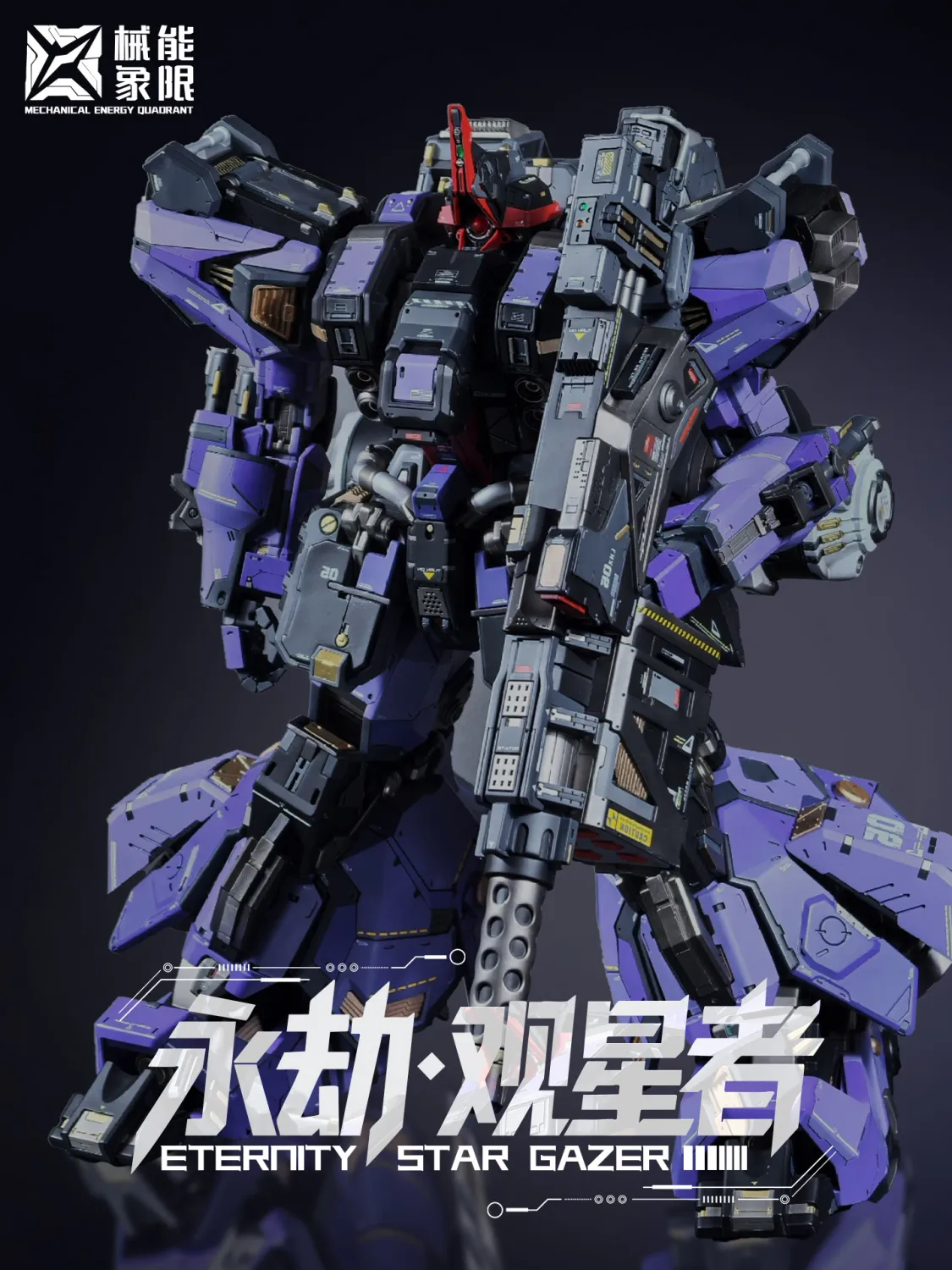
The Star Gazer Mecha Statue arrives with a title that does that work in four words: Eternal Calamity, Star Gazer.
It stands 36–50 cm tall and comes from the same studio as the Peacemaker Watcher.
What a Name Does for a Statue
Original designs lack recognition, so the presentation carries the meaning.
A name like Eternal Calamity signals scale and threat before anyone sees the piece. Star Gazer then adds a second idea, which suggests the machine looks outward rather than down.
That combination shapes how a designer builds the silhouette. A calamity-class machine usually carries heavy structure; a watcher carries sensors and vertical elements.
The result is a piece with a point of view, which is what licensed recognition normally supplies.
Thirty-Six to Fifty Centimetres
Mecha work gains from scale in ways that character statues do not.
Panel lines need distance to read as structure rather than as texture, and joint assemblies need room to look mechanical.
At 36–50 cm those elements hold up under close inspection, and the piece still fits a shelf or a sideboard rather than needing floor space.
Check the depth as well. Sensor arrays and stabilisers extend forward, and a wide base rules out shallow cabinets.
Reading the Sculpt
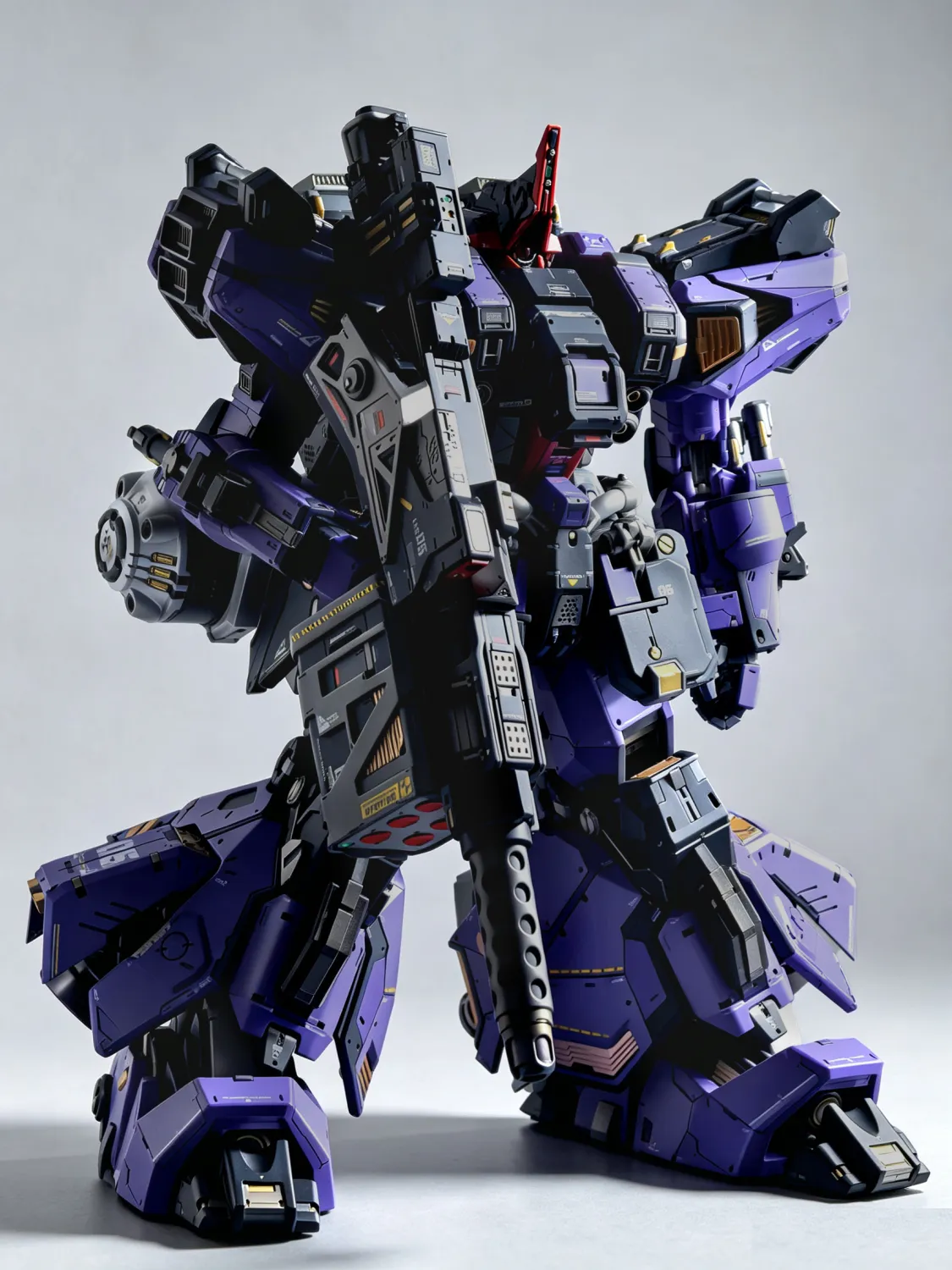
Three details decide whether a mecha statue works.
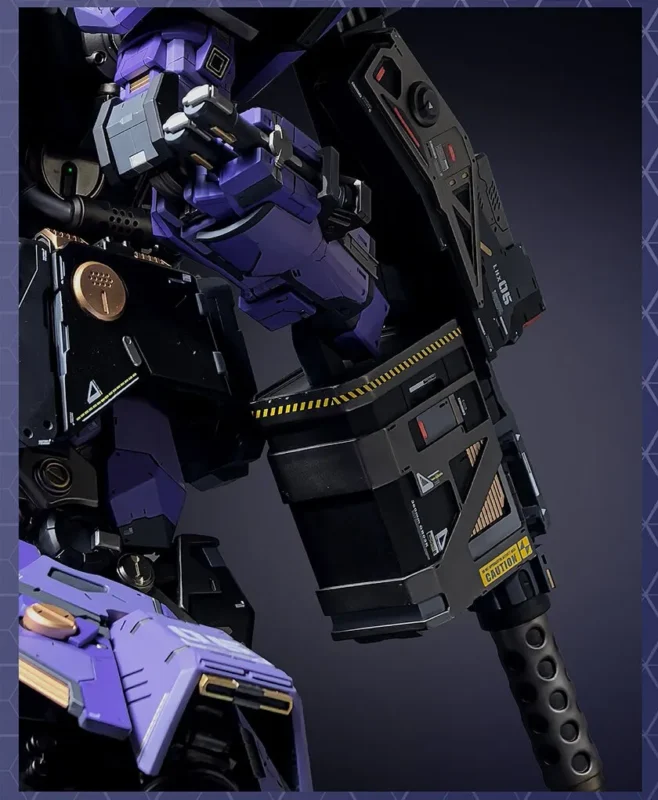
The structure comes first. A machine needs weight distribution that makes sense, even when the design is fictional.
The surface comes second. Metal finishes need variation, because a single tone across a large piece reads as plastic.
The focal point comes third. Eyes, sensors or a weapon array should give the viewer somewhere to land.
Compare the gallery against all three before committing.
It also helps to ask what the sensor array is made of. On mecha statues, thin translucent elements are the parts most often damaged in transit and the hardest to repair afterwards.
Price, Deposit and Payment
Pre-orders run from a $225 deposit against a $665 full payment.
That places the release in the middle of the large-format bracket, which is lower than most licensed mecha statues at this height.
The deposit option reserves a unit now and settles the balance later.
Freight on a statue in this range is a separate line item, so check the quote before committing.
Display and Lighting
Mechanical palettes respond to light differently from character statues.
A single hard source flashes off flat panels and hides the recessed detail. Two soft sources at different heights keep both readable.
A cool neutral source suits grey and steel better than a warm one, which turns those tones toward yellow.
Place the piece at or slightly below eye level, and keep it out of direct sun.
Building a Pair
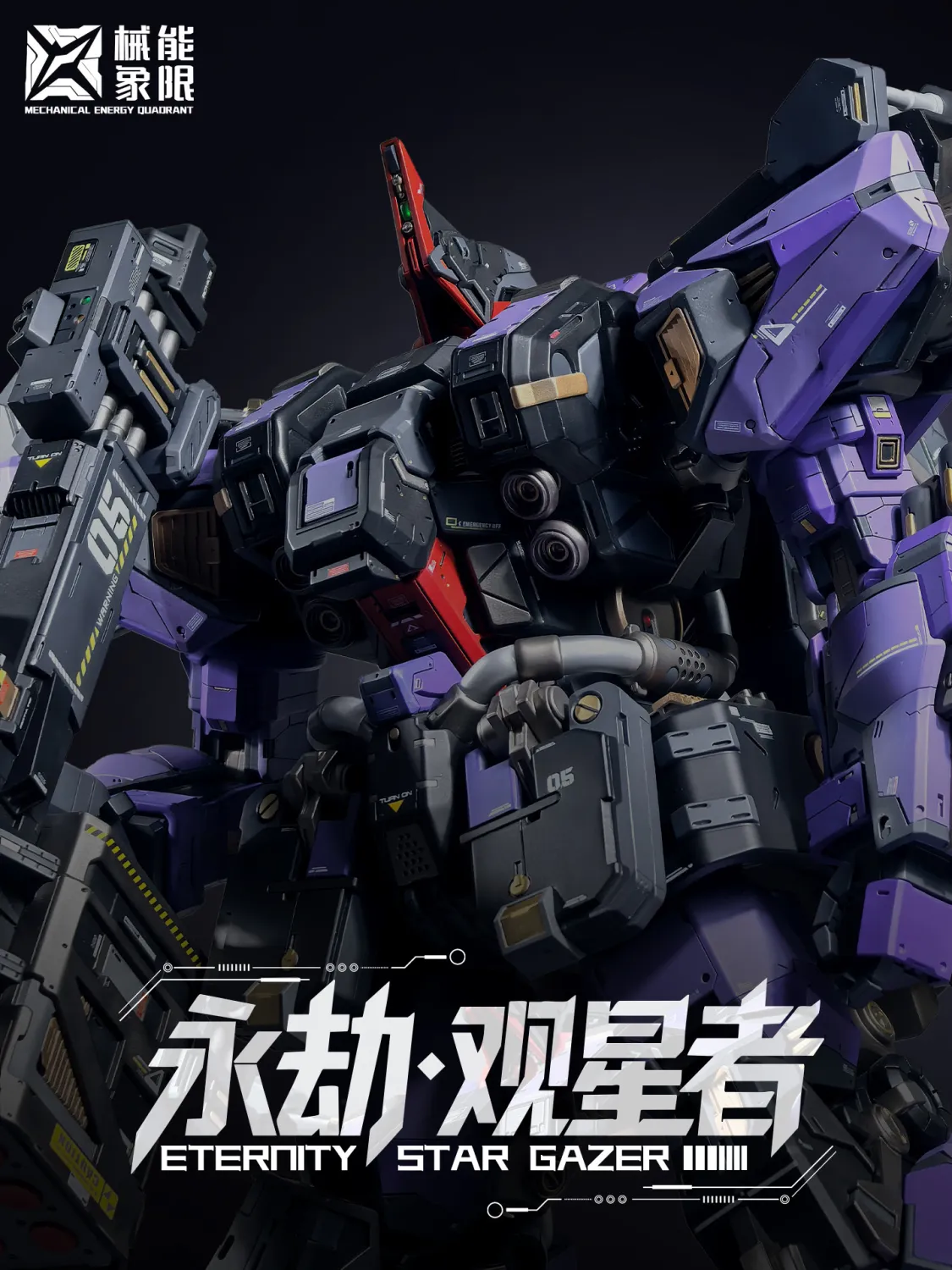
The studio released two mecha designs in the same wave, and they share a scale and a finish.
That matters if you plan to display both. Matching height and surface treatment turn two separate pieces into a set, which is how most mecha collectors arrange a shelf.
It also means the second piece adds contrast rather than repetition, since the two designs carry different functions.
Confirm the shared scale before ordering both, because a mismatched pair reads as an accident.
Care and Storage
Dust with a soft brush rather than a cloth. Recessed panels collect dust, and a brush reaches them safely.
Handle the piece by the base or a structural section, never by a thin protrusion.
Keep the original packaging and the foam inserts. Original mecha runs rarely come back.
Mecha Finishes and Shelf Contrast
Mechanical pieces sit differently on a shelf from character statues.
Character work tends to carry warm colour and soft shapes. Mecha carries grey, steel and hard edges, which means the two read as separate registers even at the same height.
That contrast is useful when a shelf has filled with figures that look alike. A single mechanical piece breaks the pattern without needing a larger footprint.
It also affects lighting choices. Warm light that flatters character statues turns mechanical surfaces yellow, so a mixed shelf benefits from a neutral source.
Finish variation matters just as much. A mecha statue painted in a single tone reads as plastic, while one that varies between matte and semi-gloss at different panels reads as metal.
Check the gallery for that variation before ordering. It is the single detail that separates a mechanical sculpture from a large model kit.
Who This Statue Is For
Mecha collectors who want something outside the established franchises will find this fits that gap.
It also suits anyone building a display around mechanical design rather than character recognition.
And for collectors who already own the studio’s other release, this completes the pair.
The Star Gazer Mecha Statue suits a shelf built around original mechanical designs.
Bring Star Gazer Home
If the design fits your collection, you can review the full details and reserve one on the product page.
See the Eternal Calamity: Star Gazer Statue on TopGK
Would you display this Star Gazer Mecha Statue as a pair with the Peacemaker Watcher, or on its own?