
 TopGK
 Shop All





 By Source Type



Buying Guide
Kotobukiya PUNI☆MOFU Tu 2/1: A Figure at Twice Human Scale
Oct
Kotobukiya’s Megami Device line started as model kits.
Builders assembled the figures themselves, and the line grew around that hobby rather than around pre-painted display pieces.
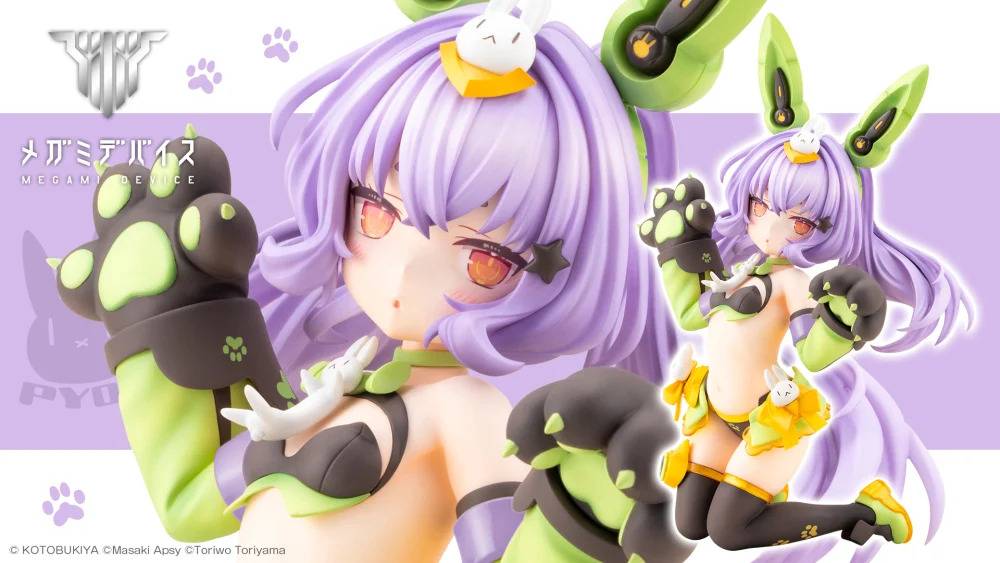
Then the character designs took over. PUNI☆MOFU Tu belongs to that shift, and the release arrives at 2/1 scale.
That number is worth pausing on.
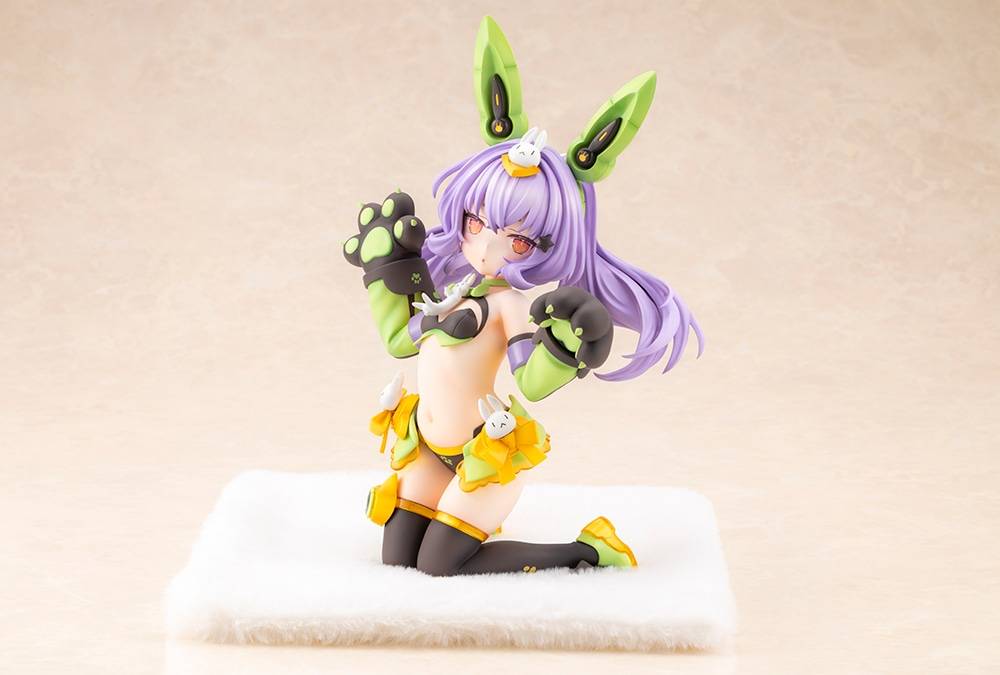
The Kotobukiya Megami Device Tu figure records 2/1, which means it stands at twice the size of the character as designed.
What Two to One Means
Most figures sit between 1/7 and 1/4.
Those brackets balance detail against shelf space, and they keep a collection visually consistent.
2/1 runs in the opposite direction. A small character design scaled to twice its size lands at a height that reads as a large display piece.
That makes the figure unusual in both directions: small character, large object.
Why Oversized Figures Appeal
Scale changes how a design reads.
Small characters rendered large keep their proportions but gain presence, and the shift makes details visible that a normal figure would compress.
It also gives a shelf something different. Most collections fill with figures at similar sizes, and one piece that breaks that pattern becomes a focal point.
The trade-off is space. A large figure needs room around it, or it crowds whatever sits beside it.
Megami Device and Its Audience
The line began with articulated kits and expanded into finished figures as the designs gained popularity.
That history shapes who buys them. Builders know the line from the kits, and figure collectors arrive through the character designs.
Both groups respond to the same thing: a distinctive silhouette that separates the character from the rest of the roster.
Tu carries that in the design work rather than in equipment, which is why the oversized version works.
Reading the Sculpt
Three details decide whether an oversized figure works.
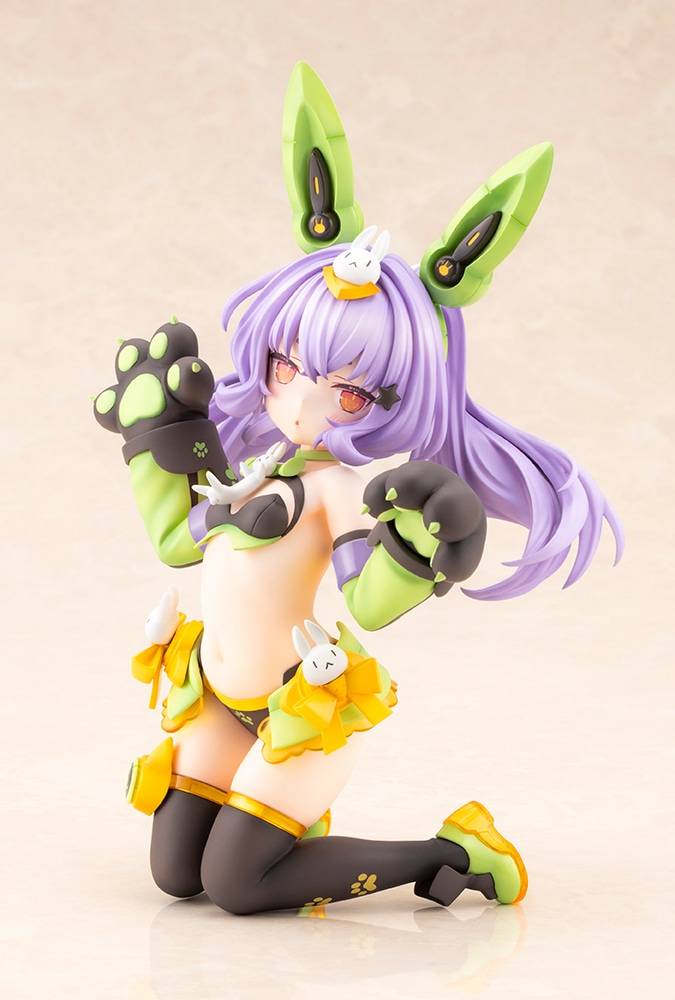
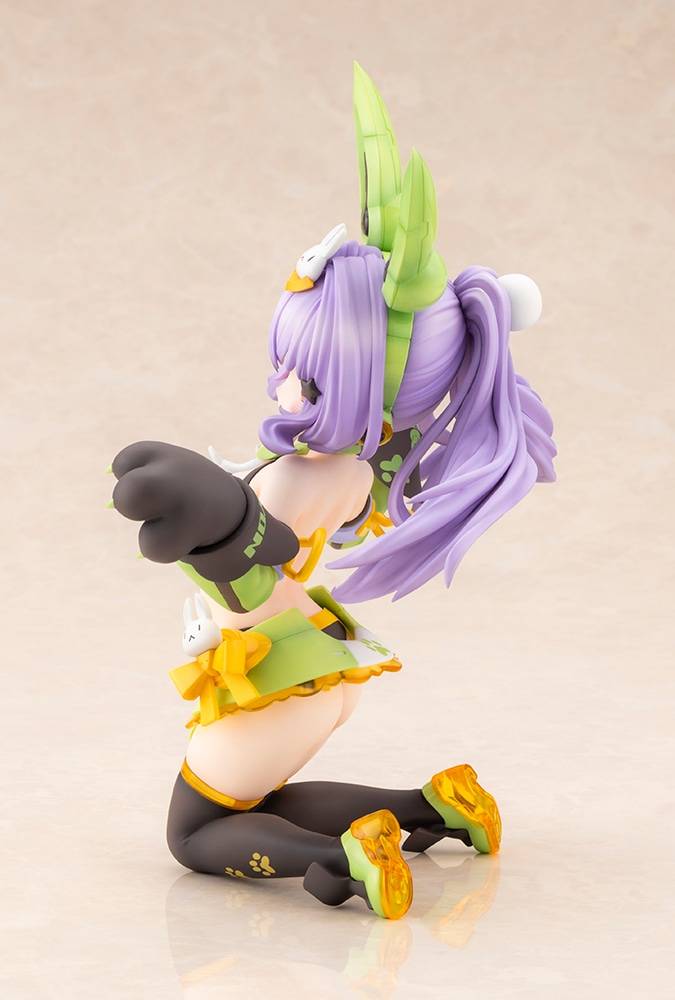
The face comes first. Enlarging a stylised expression makes any distortion more visible, not less.
The costume comes second. Soft shapes need clean edges, or the figure turns into one rounded mass.
The pose comes third, and it decides whether the piece reads as a character or as a decorative object.
Compare the gallery against all three before committing.
Price, Deposit and Payment
Pre-orders run from a $69 deposit against a $189 full payment.
That sits in the standard retail bracket, which is unusual for a piece at this scale.
The deposit option reserves a unit now and settles the balance later.
Freight depends on the dimensions, and the listing leaves the height range open. Check the product page if space is tight.
Display and Lighting
The palette here runs soft and pastel, which shows handling marks sooner than darker finishes.
Warm light pushes those tones toward cream. Cold light drains them toward grey.
A neutral source from above and slightly in front keeps the palette accurate.
Place the figure at or slightly below eye level, and keep it away from direct sun.
Care and Storage
Dust with a soft brush rather than a cloth, working from the top downward.
Where the surface needs more, use lukewarm water with a drop of mild soap and dry it completely.
Keep the original packaging. For a large figure with soft shapes, the box is the safest way to store it.
Where It Fits in a Collection
Large-format figures rarely match anything else on a shelf, and that is part of their function.
They give an arrangement a centre, and they break up the repetition that builds when every piece sits at the same scale.
Collectors who display by scale will find this sits apart from the main grouping, which usually looks deliberate rather than accidental when the piece is intentionally oversized.
Kit Lines and Finished Figures
Model kit lines and figure lines serve different habits.
Builders buy kits for the assembly as much as the result, and they expect to handle sanding, fitting and painting. Figure collectors want the piece finished and ready to display.
When a kit line expands into finished figures, both groups pay attention. Builders get a reference for how the design should look, and figure collectors get access to characters they would not otherwise assemble.
The trade-off sits in the finish. A pre-painted figure cannot match a kit finished by an experienced builder, but it also does not require the skills that finishing demands.
For collectors outside the building side of the hobby, the finished version is usually the practical choice, and the oversized scale makes the design easier to appreciate without any assembly work.
Anyone who already builds kits will recognise the character immediately, which is part of the appeal for both groups.
Who This Figure Is For
Megami Device collectors will find this adds a finished piece to a line they know from kits.
It also suits anyone who wants a large-format figure without moving into resin statue pricing.
And for collectors whose shelves have filled with same-scale figures, this gives the display a deliberate break.
The Megami Device Tu figure suits a shelf with room for one oversized piece.
Bring Tu Home
If this belongs in your collection, you can review the full details and reserve one on the product page.
See the Kotobukiya Megami Device Tu Figure on TopGK
Would you display this Tu figure as the centre of a shelf, or keep it separate from the rest of your collection?