
 TopGK
 Shop All





 By Source Type



Buying Guide
Boa Hancock Cos Mai Shiranui Statue: A Crossover in 1/6 and 1/4
Oct
Crossover statues usually start as fan art and stay there.
A character wearing another character’s costume is an idea most studios avoid, because it asks two audiences to accept a version of their favourite that never appears in the source material.
Occasionally a design works well enough to justify the risk.
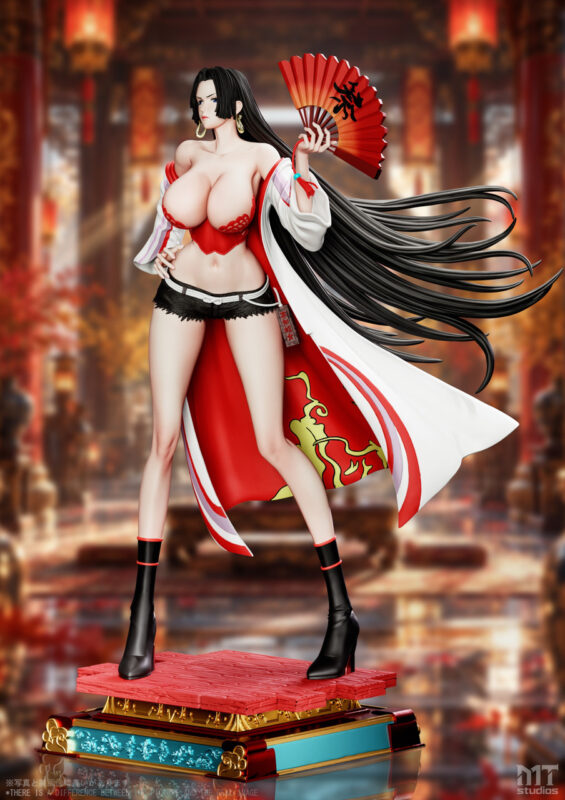
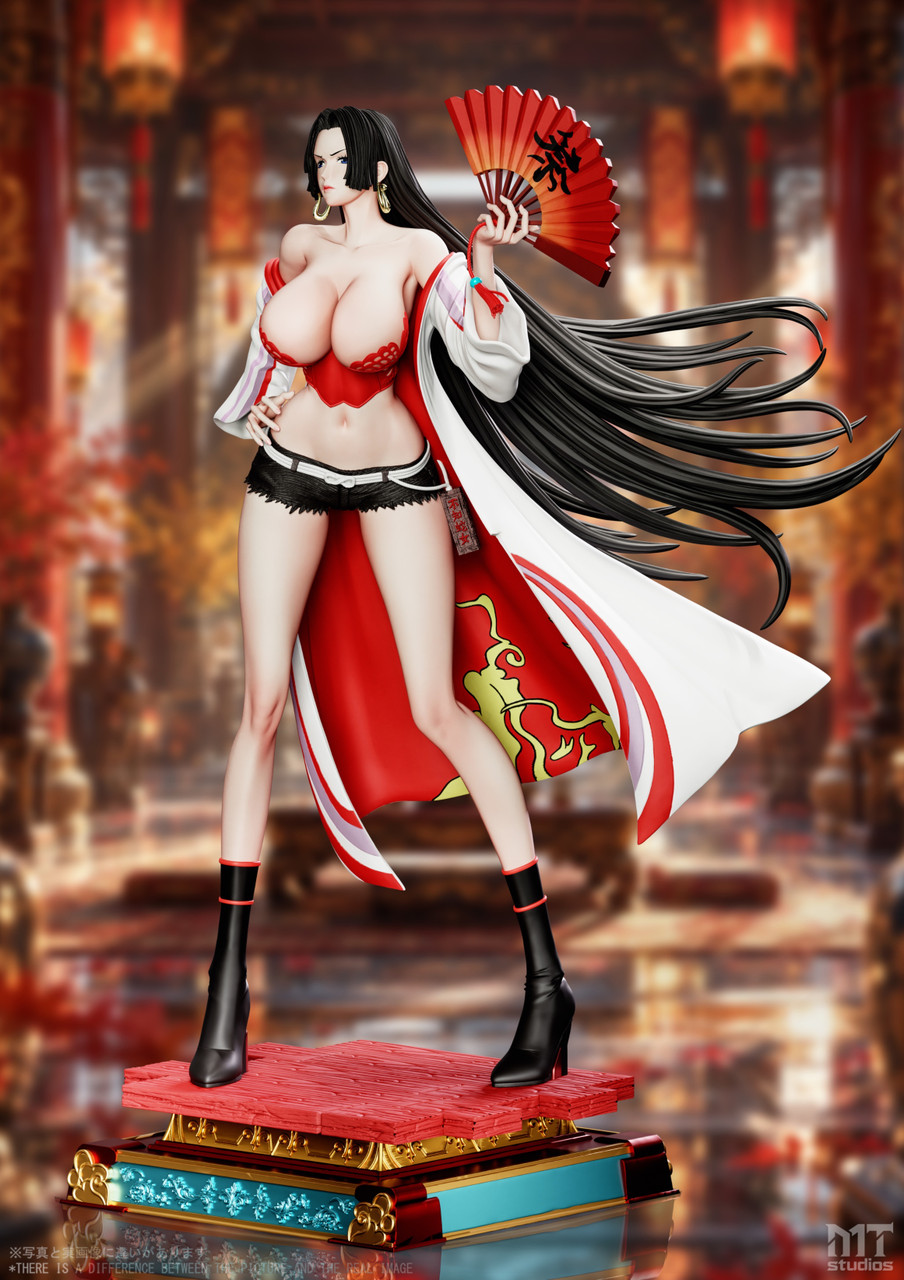
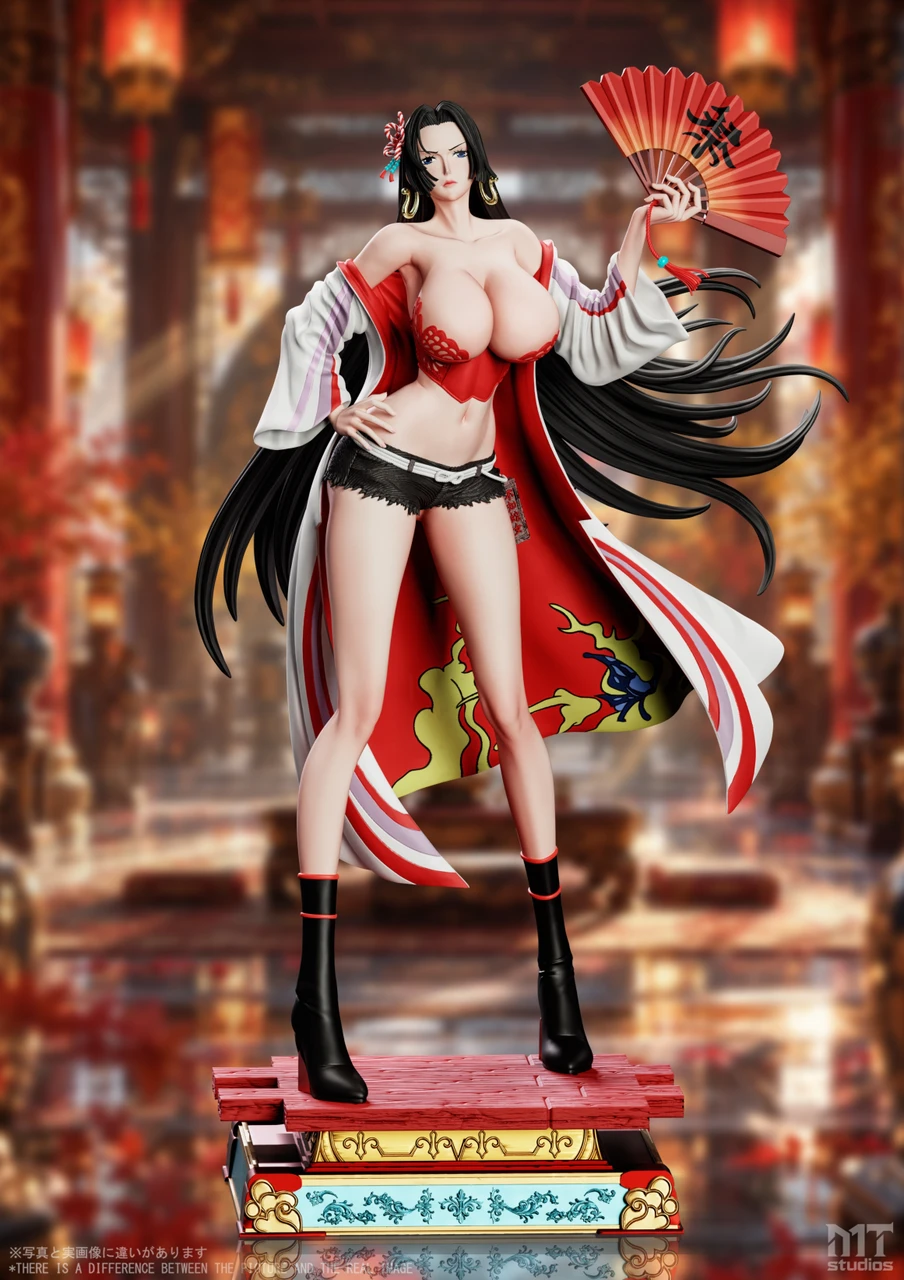
The MT Studio Boa Hancock Statue takes that route, dressing One Piece’s Pirate Empress in Mai Shiranui’s outfit from The King of Fighters, and it offers the piece at two scales.
The edition caps at 88 units.
Why Crossover Designs Work
Some characters carry their identity through personality rather than costume.
Boa Hancock belongs to that group. Her silhouette, her posture and her confidence survive a change of outfit, which is why the idea holds together at all.
Mai Shiranui’s design adds movement. The costume exists to read in motion, and a static statue has to translate that into sculpted fabric weight.
When both halves work, the result is a piece that appeals to two collector groups at once.
Two Scales, One Design
The listing offers the statue at 1/6 and 1/4.
The 1/6 version sits in the 26–35 cm range, which fits a standard cabinet shelf. The 1/4 version moves into the 51–69 cm bracket and needs a surface of its own.
That choice changes the piece more than the price suggests. At 1/6 it joins an existing collection; at 1/4 it becomes the centre of one.
Collectors who already own 1/4 statues will find the larger version matches the shelf. Collectors who display lines of 1/6 figures usually prefer the smaller one.
Eighty-Eight Units
The edition caps at 88 pieces.
For a One Piece release, that counts as a small run. The franchise supports production numbers several times larger, and studios usually order them.
A crossover design justifies the smaller number. The audience is narrower than for a standard character statue, because it depends on collectors accepting the premise.
That also means the run closes rather than sits in inventory.
Reading the Sculpt
Three details decide whether a crossover statue works.
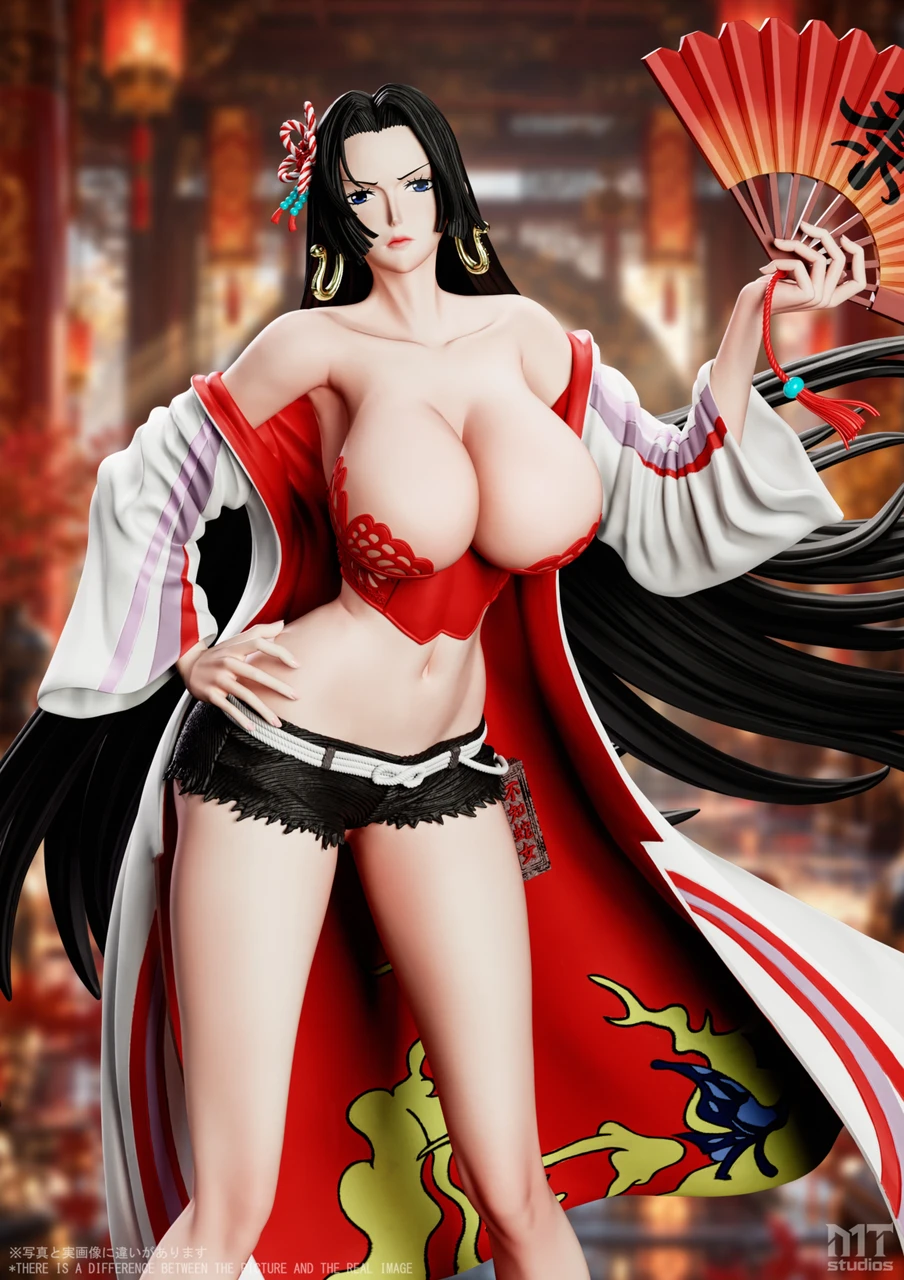
The face comes first. It has to read as the original character rather than as the costume they are wearing.
The costume comes second. Fabric folds and trim need clean separations, since the design carries patterns and layering rather than armour.
The pose comes third, and it decides whether the piece reads as a character or as a costume display.
Compare the gallery against all three before committing.
Price, Deposit and Payment
Pre-orders run from a $79 deposit against a $405 full payment, depending on the scale you choose.
That places the release in the middle of the current resin market, with the larger version carrying the higher figure.
The deposit option reserves one of the 88 units now and settles the balance later.
Freight differs between the two scales, since the 1/4 version ships in a considerably larger box.
Display and Lighting
The palette here runs red, gold and skin tone.
Warm light pushes the red toward orange and flattens the gold. Cold light drains the skin tones instead.
A neutral source from above and slightly in front keeps all three readable.
Place the piece at or slightly below eye level. Looking up at a large statue shortens the body line and exaggerates the base.
Keep it out of direct sun, since painted surfaces fade unevenly.
Care and Storage
Dust with a soft brush rather than a cloth, working from the top downward.
Where the surface needs more, use lukewarm water with a drop of mild soap and dry it completely.
Keep the original packaging and the foam inserts. A crossover release rarely returns, so protecting the piece matters more than usual.
Where It Fits in a One Piece Shelf
One Piece collections usually organise by crew or by arc.
A crossover piece fits neither category, which makes it useful as a change of pace. It gives the shelf something that does not repeat the rest of the lineup.
Collectors who also follow fighting games will find it sits naturally between the two collections rather than inside one.
Cosplay Statues and Collector Expectations
Cosplay designs ask buyers to accept a version of a character that never appears in the source material.
That is a bigger request than it sounds. Collectors who follow a franchise closely often care about accuracy, and a crossover piece deliberately breaks that rule.
The pieces that succeed share one quality. They keep the character recognisable through posture, expression and proportion rather than through costume alone.
When that works, the outfit becomes a variation rather than a disguise.
It also explains why crossover releases tend to run short. The audience is narrower than for a standard character statue, because it depends on collectors who enjoy the idea rather than only the character.
For anyone who already owns the source costume in another statue, this gives the shelf a version that reads differently without repeating it.
Who This Statue Is For
One Piece collectors who already own a standard Boa Hancock piece will find this gives the character a second reading.
It also suits anyone who collects crossover designs, where the appeal sits in the idea rather than in a specific source.
And for collectors who already follow The King of Fighters merchandise, the piece bridges the two groups in a single purchase.
The Boa Hancock statue suits a shelf with room for one piece outside the usual categories.
Bring Hancock Home
If the design fits your collection, you can compare the 1/6 and 1/4 versions on the product page.
See the MT Studio Boa Hancock Cos Mai Shiranui Statue on TopGK
Would you display this Boa Hancock statue at 1/6 or 1/4, and where would it sit in your collection?